
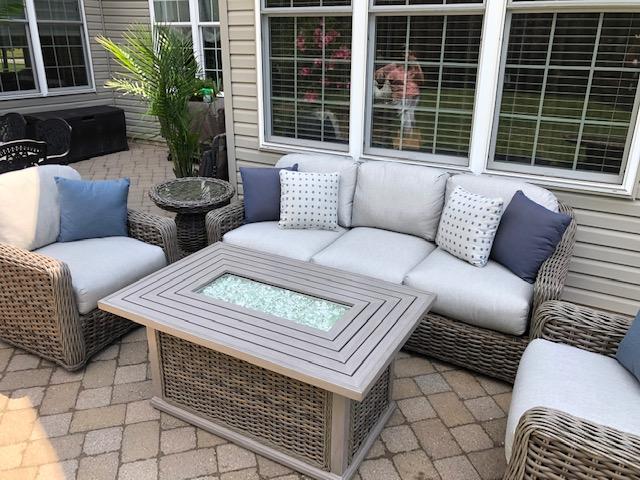
Outdoor furniture is an investment that adds comfort, style, and functionality to your patio, deck, or backyard. As the weather changes during the fall and winter months, taking proper care of your furniture becomes essential for preserving its appearance and extending its lifespan. Cooler temperatures, moisture, snow, ice, and falling leaves can all take a toll on outdoor materials if they are left unprotected. Fortunately, a few simple maintenance practices can help keep your patio furniture in excellent condition, ensuring it is ready to use again when warmer weather returns.
Give Everything a Thorough Cleaning
Before storing or covering your patio furniture for the season, give each piece a thorough cleaning. Dirt, pollen, leaves, bird droppings, and food residue can stain surfaces if left in place throughout the winter. Wash frames with mild soap and water, and clean cushions according to the manufacturer’s recommendations. Allow every item to dry completely before moving on to the next step to prevent mold and mildew from developing.
Inspect for Damage
Fall is the perfect time to examine your outdoor furniture for signs of wear. Look for loose screws, cracked frames, rust, peeling finishes, torn fabric, or damaged wicker. Addressing minor repairs before winter arrives helps prevent small issues from becoming larger problems after months of exposure to cold weather. Tightening hardware, touching up finishes, or replacing worn components now can save both time and money later.
Protect Furniture with Quality Covers
Weather-resistant furniture covers provide one of the easiest ways to protect outdoor furniture from rain, snow, ice, and debris. Choose covers that fit properly while allowing enough ventilation to prevent moisture buildup underneath. Secure the covers so they remain in place during strong winds. Well-fitted covers help shield furniture from harsh weather while reducing the amount of cleaning required in the spring.
Store Cushions Indoors
Although many outdoor cushions are designed to withstand occasional moisture, prolonged exposure to rain, snow, and freezing temperatures can shorten their lifespan. Clean and thoroughly dry all cushions before storing them in a dry garage, basement, shed, or storage bench. Keeping cushions indoors during the off-season helps preserve their color, shape, and overall comfort while preventing mold, mildew, and unpleasant odors.
Care for Wood Furniture
Wood patio furniture requires a little extra attention before winter arrives. After cleaning the surface, inspect for signs of fading, splintering, or weather damage. Applying a protective sealant or exterior-grade wood oil can help defend against moisture and temperature changes. If possible, store wooden furniture in a covered area to reduce its exposure to snow and ice, which can contribute to cracking and warping over time.
Protect Metal Furniture from Moisture
Aluminum furniture is naturally resistant to rust, but steel and wrought iron require additional care to prevent corrosion. Clean metal surfaces thoroughly and inspect for chipped paint or areas where rust may be forming. Sand away any rust spots and apply touch-up paint if necessary. Keeping metal furniture covered or stored in a dry location helps reduce moisture exposure and prolong its lifespan.
Preserve Wicker and Resin Furniture
Synthetic resin wicker is highly durable, but natural wicker can be more vulnerable to moisture and freezing temperatures. Dust wicker regularly and wash it with mild soap when necessary. If you own natural wicker furniture, storing it indoors during winter offers the best protection. Resin wicker can usually remain outdoors when covered properly, although storing it in a sheltered location provides additional peace of mind.
Keep Furniture Elevated
If patio furniture remains outdoors during the winter, avoid placing it directly on damp soil or areas where standing water collects. Elevating furniture slightly on patio blocks or placing it on a deck or paved surface allows water to drain more effectively while reducing prolonged contact with moisture. Proper drainage helps protect furniture legs and frames from unnecessary wear and weather-related damage.
Organize Accessories for the Season
Outdoor accessories such as umbrellas, decorative pillows, lanterns, and outdoor rugs also benefit from seasonal care. Clean these items thoroughly before storing them in a dry location. Close and secure patio umbrellas before putting them away to protect the fabric and frame. Taking a little extra time to organize accessories helps preserve their appearance and makes setting up your outdoor space much easier when spring arrives.
Check Furniture Periodically During Winter
Even after your furniture has been covered or stored, it’s helpful to inspect it occasionally throughout the winter. After heavy snowstorms or strong winds, make sure covers remain secure and remove excessive snow accumulation to reduce unnecessary weight on tables and chairs. Regular inspections allow you to identify potential problems early and ensure your furniture remains well protected throughout the colder months.
Prepare for Another Season of Outdoor Living
Maintaining your patio furniture during the fall and winter is one of the best ways to protect your investment and enjoy years of dependable use. Regular cleaning, timely repairs, protective covers, and proper storage all contribute to extending the life of your outdoor furnishings while preserving their beauty and comfort. By taking a proactive approach before harsh weather arrives, you’ll reduce the need for costly replacements and ensure your patio is ready for relaxing, entertaining, and making memories as soon as warmer weather returns. A little seasonal maintenance now can make a significant difference in keeping your outdoor living space looking its best year after year.