
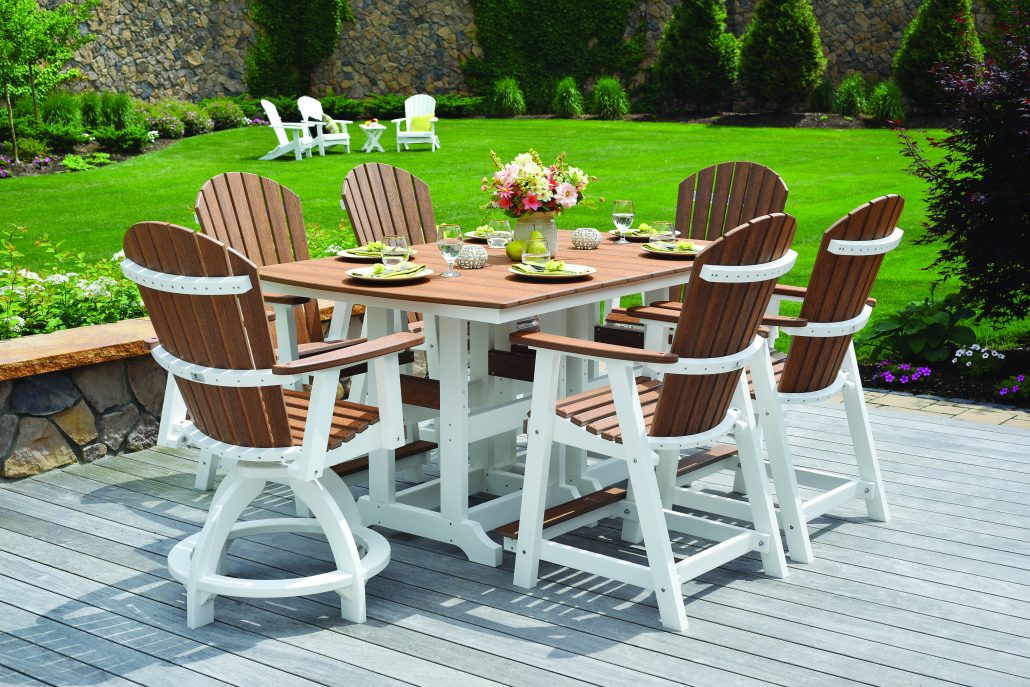
Even the smallest outdoor space can become a comfortable and stylish retreat with the right patio furniture. Whether you have a compact balcony, a narrow side yard, or a modest backyard patio, thoughtful furniture choices can make the area feel more open, functional, and inviting. The key is selecting pieces that balance comfort, scale, and practicality without overwhelming the space. With smart planning and intentional design, small outdoor areas can be transformed into efficient extensions of your home that are perfect for relaxing, dining, or entertaining.
Measuring Your Space Before You Buy
One of the most important steps in choosing patio furniture for a small space is taking accurate measurements. Before purchasing anything, it’s essential to understand the exact dimensions of your outdoor area, including walkways, doors, and any permanent features like railings or planters. This helps ensure that furniture will fit comfortably without blocking movement or making the space feel cramped. Creating a simple layout or sketch can also help visualize how different pieces will fit together. Proper planning prevents overcrowding and allows you to make the most of every square foot.
Choosing Multi-Functional Furniture Pieces
In small outdoor spaces, every piece of furniture should serve a purpose, and ideally, more than one. Multi-functional furniture helps maximize usability without taking up extra room. For example, benches with built-in storage can provide seating while also holding cushions, gardening tools, or outdoor accessories. Foldable tables and stackable chairs can be easily stored when not in use, freeing up space for other activities. Ottomans that double as side tables or extra seating are also great additions. These versatile options help keep the area flexible and clutter-free.
Opting for Compact and Scaled-Down Designs
Oversized furniture can quickly overwhelm a small outdoor area, making it feel cramped and uncomfortable. Instead, choosing compact and appropriately scaled pieces helps maintain balance and openness. Slim-profile chairs, narrow tables, and lightweight seating options are ideal for small patios or balconies. Furniture with open frames or legs can also create a sense of visual space by allowing light and air to flow through the area. The goal is to maintain comfort while ensuring the space still feels open and easy to navigate.
Using Foldable and Stackable Furniture for Flexibility
Foldable and stackable furniture is especially useful in small outdoor spaces where flexibility is important. Chairs and tables that can be folded and stored away allow homeowners to quickly adjust the layout based on their needs. This is particularly helpful for those who use their outdoor space for multiple purposes, such as dining, relaxing, or entertaining guests. Stackable chairs can be neatly stored in a corner when not needed, while foldable tables can be set up only when required. This adaptability ensures that the space remains functional without feeling overcrowded.
Selecting Light Colors and Simple Designs
The visual appearance of patio furniture can significantly affect how large or small a space feels. Light-colored furniture tends to make small areas appear more open and airy, while dark or bulky pieces can make them feel tighter. Neutral tones such as white, beige, light gray, or soft earth tones work well in compact spaces because they reflect natural light and blend seamlessly with outdoor surroundings. Simple, clean designs also help reduce visual clutter, creating a more relaxed and spacious atmosphere.
Incorporating Vertical Space and Wall Features
When floor space is limited, using vertical space becomes especially important. Wall-mounted shelves, hanging planters, and vertical storage solutions can help free up valuable ground area for furniture. Tall, narrow furniture pieces can also take advantage of vertical space without expanding outward. For example, vertical plant stands or slim shelving units can add style and functionality without crowding the patio. By thinking vertically, homeowners can increase storage and design potential without sacrificing usable space.
Prioritizing Comfort Without Overcrowding
Comfort is essential when selecting patio furniture, but in small spaces, it’s important to strike the right balance. Instead of filling the area with multiple large chairs or sofas, consider a few well-chosen, comfortable pieces that provide adequate seating without overwhelming the space. Cushions and textiles can enhance comfort without taking up additional room. Choosing furniture with ergonomic design and supportive structure ensures that the space remains inviting while still feeling open and uncluttered.
Creating Defined Zones in Small Areas
Even small outdoor spaces can benefit from subtle zoning to improve organization and usability. For example, a compact bistro set can define a dining area, while a small bench or lounge chair can create a separate relaxation zone. Outdoor rugs can also help visually separate areas without requiring physical barriers. Defining zones helps make the space feel more intentional and functional, even when square footage is limited. This approach ensures that every part of the patio serves a clear purpose.
Adding Personal Style Through Accessories
Accessories play an important role in making small outdoor spaces feel complete and personalized. Items such as throw pillows, outdoor rugs, lanterns, and string lighting can add warmth and character without taking up much space. Plants and greenery also help soften the look of furniture and create a more natural, inviting atmosphere. These finishing touches allow homeowners to express their style while keeping the overall design simple and uncluttered.
Making the Most of Small Outdoor Living Spaces
Choosing the right patio furniture for small outdoor spaces is all about maximizing functionality, comfort, and visual openness. By selecting compact, multi-functional, and well-designed pieces, homeowners can transform even the smallest patio or balcony into a practical and enjoyable outdoor retreat. With careful planning and thoughtful design choices, limited space becomes an opportunity for creativity rather than a limitation. The result is a stylish, comfortable outdoor area that enhances everyday living and makes the most of every inch available.